Pelvic Nerve Tumor Surgery
Precision tumor removal with preservation of what matters most—your nerve function.
Deep Gluteal Syndrome &
Pelvic Nerve Surgery

Minimally Invasive Removal of Tumors Involving the Pelvic Nerve Network
Tumors involving the pelvic nerve system are rare, complex, and often difficult to treat using traditional surgical approaches. These tumors may affect critical neural structures within the lumbosacral plexus and deep pelvic region, leading to pain, neurological symptoms, and functional impairment.
At our center, we specialize in robotic-assisted intrapelvic tumor surgery, allowing precise and minimally invasive removal of tumors involving pelvic nerves with maximal preservation of nerve function.
What Are Pelvic Nerve Tumors?
Pelvic nerve tumors arise from or around nerves within the pelvic cavity and deep gluteal region, including:
- Sciatic nerve
- Pudendal nerve
- Obturator nerve
- Genitofemoral nerve
- Posterior femoral cutaneous nerve
- Perforating cutaneous nerve
- Branches of the lumbosacral plexus
These tumors may include:
- Schwannomas (most common benign nerve sheath tumors)
- Neurofibromas
- Endometriomas involving nerve structures
- Ligamentous compression
- Other benign soft tissue tumors
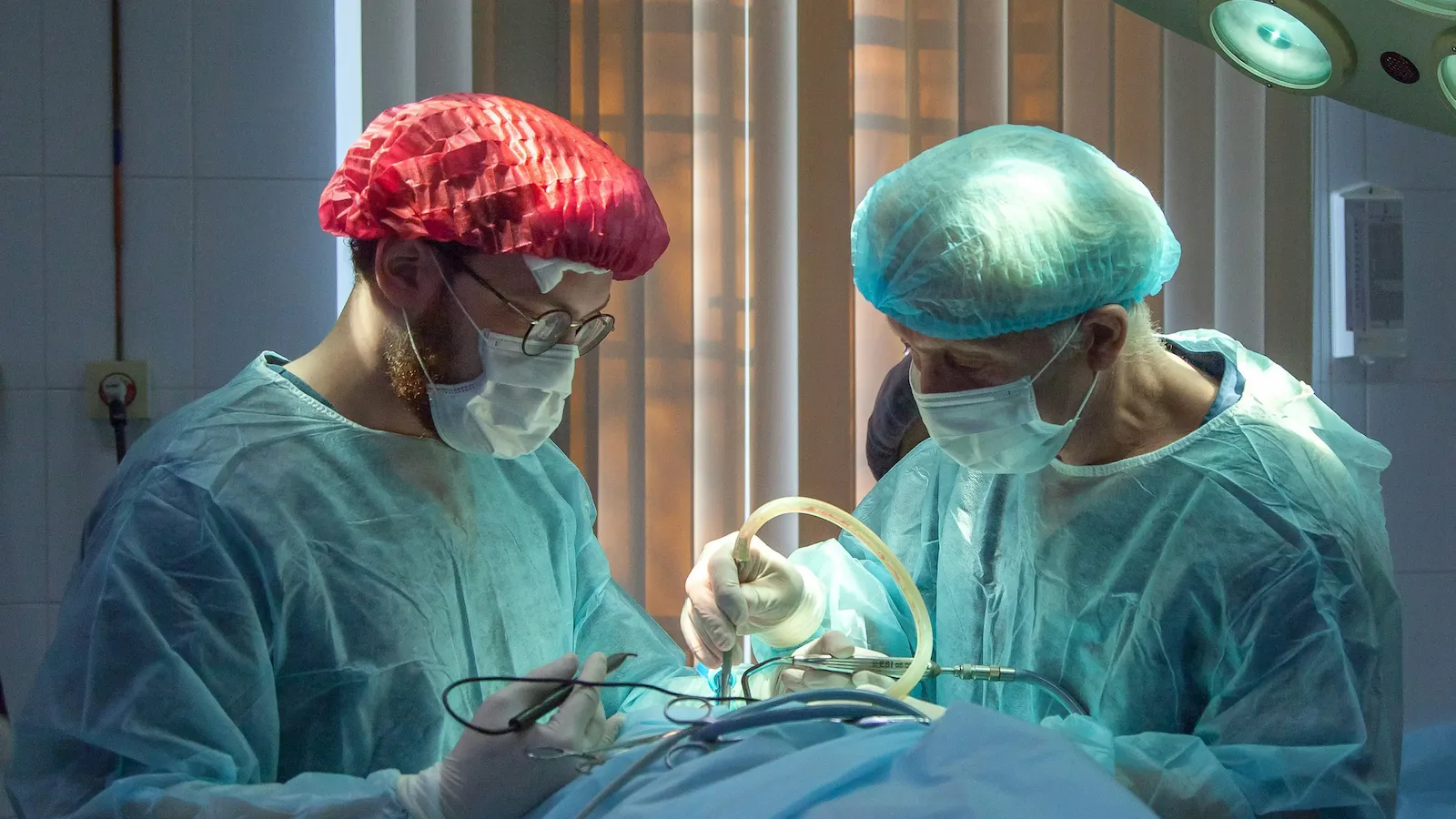
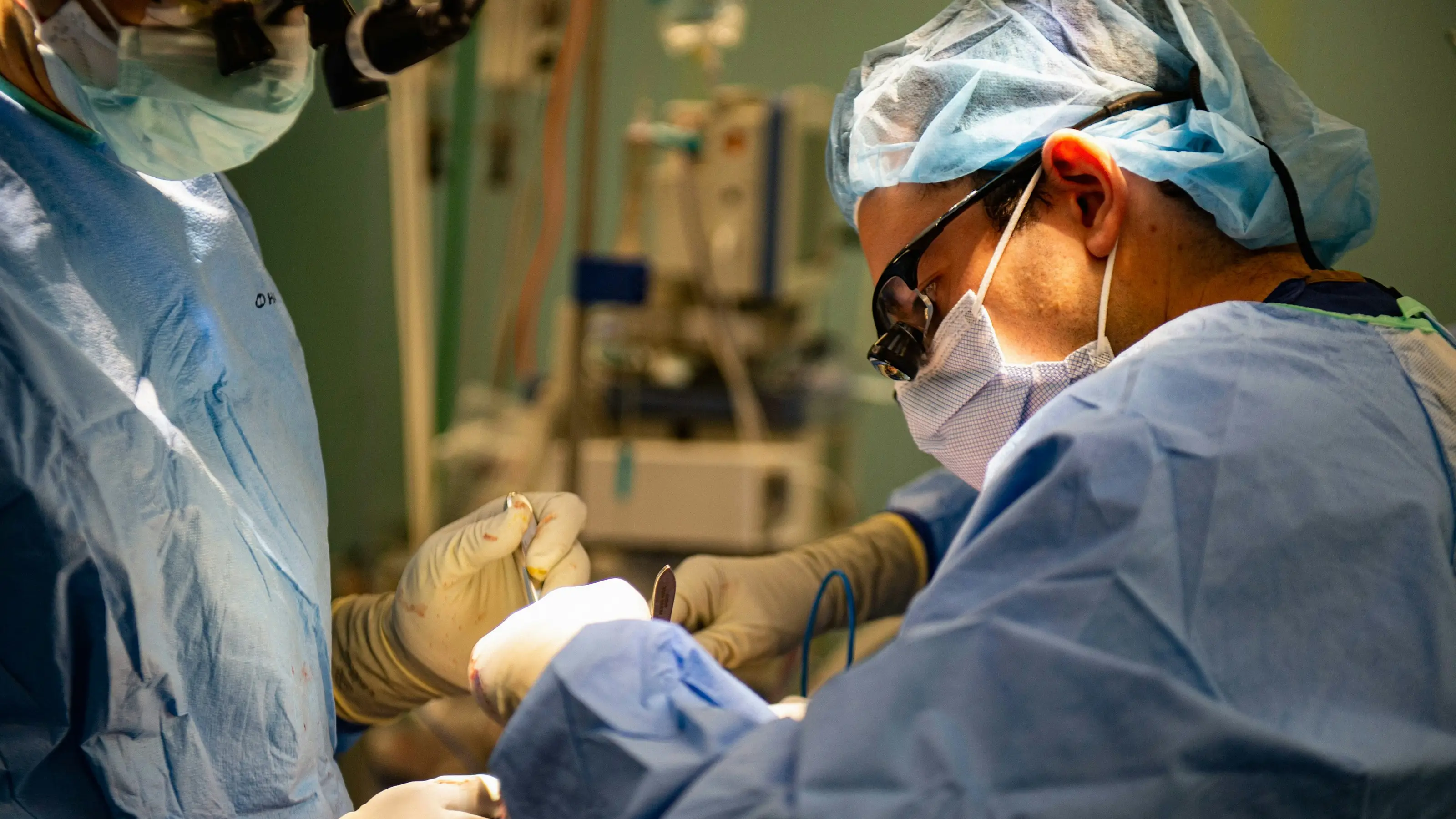
About Pelvic Nerve Tumor Surgery
Symptoms vary depending on the nerve involved but may include:
- Chronic pelvic or deep gluteal pain
- Radiating pain to the leg, groin, or perineum
- Numbness, tingling, or hypersensitivity
- Weakness or functional impairment
- Pain resistant to conventional treatments
About Deep Gluteal Syndrome
Traditional surgery often involves:
- Large incisions
- Extensive tissue dissection
- Limited nerve visualization
- Higher risk of nerve injury, pain, longer recovery, and incomplete tumor removal
About Deep Gluteal Syndrome
Traditional approaches often fail because they:
- Address only one nerve or one region
- Do not evaluate the entire pelvic nerve network
- Cannot visualize deep intrapelvic pathology
- Miss the underlying inflammatory or endometriotic cause
About Deep Gluteal Syndrome
We utilize a robotic intrapelvic approach, providing direct access to the entire deep gluteal region and pelvic nerve network.
This technique allows:
- Safe entry into the retroperitoneal space
- Identification of the lumbosacral plexus and its branches
- Direct access to the greater sciatic foramen
- High-definition visualization of all major pelvic nerves
A Comprehensive Neuropelvic Approach

Pelvic nerve tumors rarely exist in isolation. They often coexist with:
- Neuroinflammation
- Fibrosis or scar tissue
- Endometriosis involving nerve pathways
Our approach allows simultaneous evaluation and treatment of these conditions, providing a complete and integrated surgical solution.
The Key Difference:
Traditional surgery focuses on removing the tumor. Our approach focuses on removing the tumor while preserving and restoring the entire pelvic nerve system
Advantages of Robotic Tumor Surgery
Minimally Invasive Access
- Tumor removal through 3–4 small incisions
- Avoidance of large gluteal or combined surgical approaches
Superior Visualization
- Clear identification of the nerve, tumor, and surrounding anatomy
- Ability to trace the nerve along its full course
Precision and Nerve Preservation
- Careful separation of tumor from nerve fibers
- Reduced risk of neurological deficit
Comprehensive Treatment
- Ability to address multiple nerve structures when involved
- Identification and removal of associated pathology (fibrosis, endometriosis)
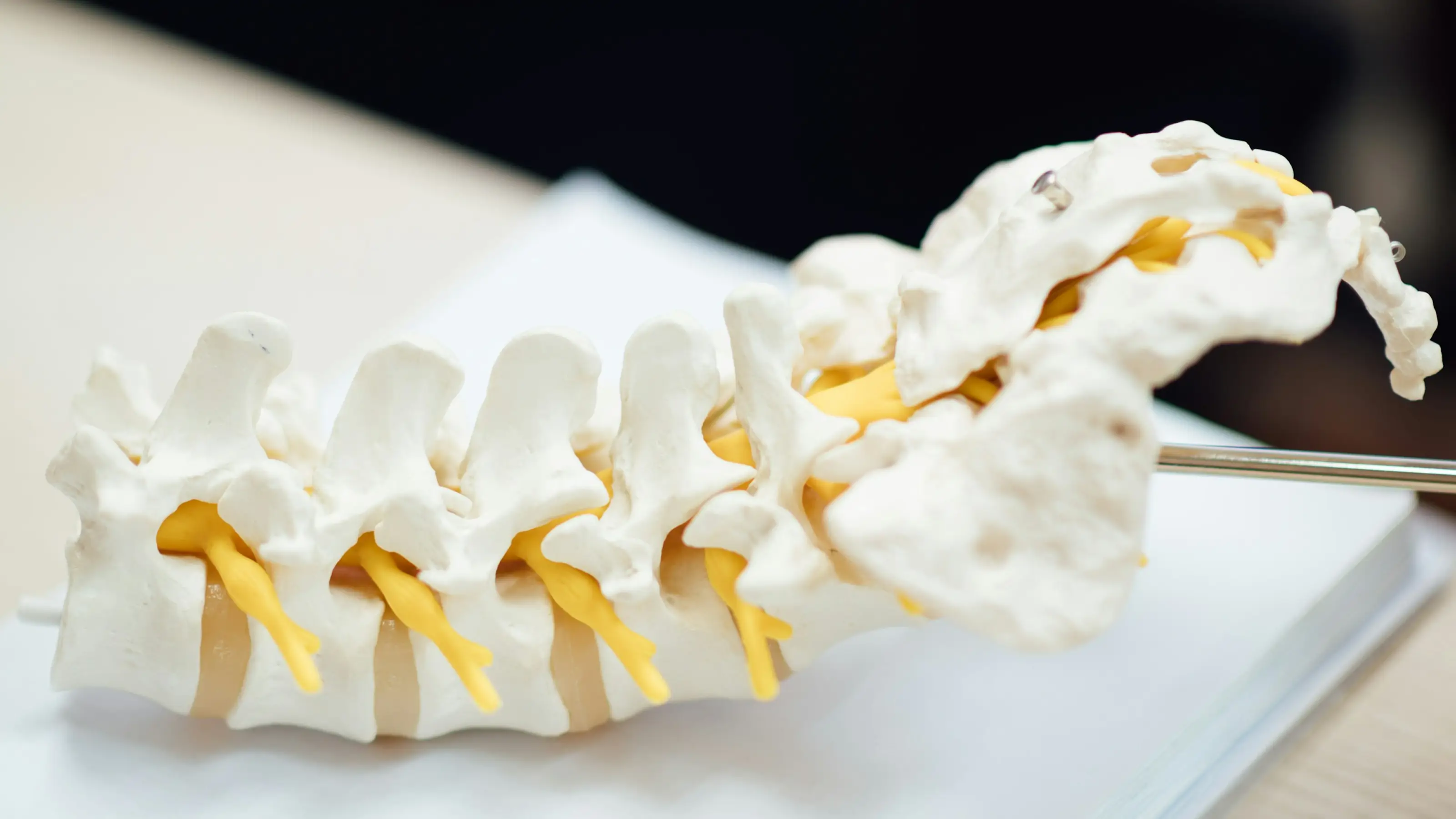
Functional Preservation and Recovery
A key goal of surgery is to preserve nerve integrity while removing the tumor.
Compared to traditional approaches, patients benefit from:
What to Expect
Minimally invasive robotic procedure
Typically outpatient or short hospital stay
Surgical time varies based on tumor size and location
Advanced intraoperative visualization to protect nerve function
Recovery & Nerve Healing
Nerve recovery depends on:
- Tumor size and location
- Degree of preoperative nerve involvement
Typical course:
- Early recovery within weeks
- Continued improvement over several months
- Gradual return of normal nerve function

Who is a candidate?
You may be a candidate if you have:
- Diagnosed or suspected pelvic nerve tumor
- Persistent neuropathic pain without clear cause
- Imaging showing lesion near pelvic nerve structures
- Symptoms involving multiple nerve distributions