Why Does the World Need a
Neuropelvic Surgery Fellowship?
A Missing Specialty in Modern Medicine
Millions of patients suffer from disorders affecting the peripheral pelvic nerves. These patients frequently experience chronic pelvic pain, pelvic floor dysfunction, lower back pain, buttock pain, genital pain, urinary dysfunction, bowel dysfunction, and radiating pain into the lower extremities. Although tremendous advances have been made in spinal medicine, orthopedic surgery, pelvic reconstructive surgery, and the treatment of pelvic organ disease, there remains a significant gap in the diagnosis and management of disorders affecting the peripheral pelvic nervous system.
Once the pelvic nerves exit the spinal foramina, they become peripheral nerves traveling through the pelvis before reaching the pelvic organs, muscles, and lower extremities. Along this course, these nerves become vulnerable to compression, inflammation, entrapment, fibrosis, vascular irritation, and traumatic injury. These pathological processes can affect both the autonomic and somatic pelvic nerves, involving both afferent and efferent pathways responsible for sensation, motor function, and pelvic organ regulation.
Unfortunately, no existing medical specialty has been specifically designed to comprehensively diagnose and manage disorders affecting the peripheral pelvic nervous system.
Why Current Specialties Have Limitations
One of the greatest challenges in managing peripheral pelvic nerve disorders is that the knowledge and surgical skills required are divided among multiple specialties.
Neurosurgeons, orthopedic surgeons, and plastic surgeons often possess a deeper understanding of peripheral nerve anatomy and nerve-related pathology than many other specialists. However, one of the major limitations of these specialties is the lack of formal training in intra-abdominal surgery, particularly advanced minimally invasive laparoscopic and robotic surgery. Consequently, they typically approach the pelvic nerves through transgluteal or transperineal procedures by accessing the nerves from the buttock or posterior pelvis. Although these operations can successfully mobilize nerves and release ligamentous entrapments, they frequently cannot address the true source of neuroinflammation.
In many patients, the underlying pathology originates inside the pelvis or abdominal cavity. Conditions such as endometriosis, postoperative adhesions, fibrosis, prior abdominal surgery, vascular compression, pelvic tumors, and other inflammatory disorders frequently irritate or compress the pelvic nerves before they exit the pelvis. Without the ability to safely perform minimally invasive intra-abdominal surgery, these underlying causes often remain untreated.
The Other Half of the Problem
Conversely, gynecologists, urogynecologists, and urologists are highly trained in complex pelvic surgery and possess extensive experience performing minimally invasive laparoscopic and robotic procedures. However, their education traditionally focuses on pelvic organs rather than the peripheral pelvic nervous system.
Although these surgeons are capable of treating complex intrapelvic pathology, many have not received dedicated training in pelvic neuroanatomy, peripheral nerve pathology, robotic nerve decompression, neurolysis, or pelvic nerve reconstruction. Consequently, their ability to recognize and surgically manage complex peripheral pelvic nerve disorders may be limited.
This division of expertise explains why so many patients suffering from peripheral pelvic nerve disorders are referred from one specialist to another without receiving a comprehensive diagnosis or definitive treatment.

Why a New Specialty Is Necessary

The limitations of the current medical system highlight the need for a dedicated subspecialty focused entirely on disorders of the peripheral pelvic nervous system.
Peripheral pelvic nerves require specialized knowledge that extends far beyond traditional pelvic surgery or peripheral nerve surgery alone. Physicians must understand the anatomy, physiology, and pathology of both autonomic and somatic pelvic nerves, together with the complex intrapelvic and intra-abdominal diseases that affect them.
Neuropelvic Surgery—or Neuropelveology—places the pelvic nervous system at the center of diagnosis and treatment. Rather than focusing on individual organs or isolated nerves, this discipline integrates pelvic neuroanatomy, pelvic pathology, minimally invasive surgery, robotic nerve surgery, neurophysiology, and neuroinflammation into one comprehensive field.
Training Beyond the Operating Room
A dedicated neuropelvic surgeon must understand the complete spectrum of treatment, including pharmacologic management, pelvic floor physical therapy, image-guided nerve blocks, neuromodulation techniques, regenerative medicine, and other conservative therapies. Surgery should always be reserved for patients who have failed appropriate conservative treatment.
However, when surgery becomes necessary, the surgeon must possess advanced expertise in robotic and laparoscopic pelvic surgery, peripheral nerve decompression, neurolysis, nerve repair, and meticulous pelvic dissection around delicate neurovascular structures.
This combination of medical and surgical expertise does not currently exist within any single traditional specialty, making dedicated fellowship training essential.

Why We Established This Fellowship
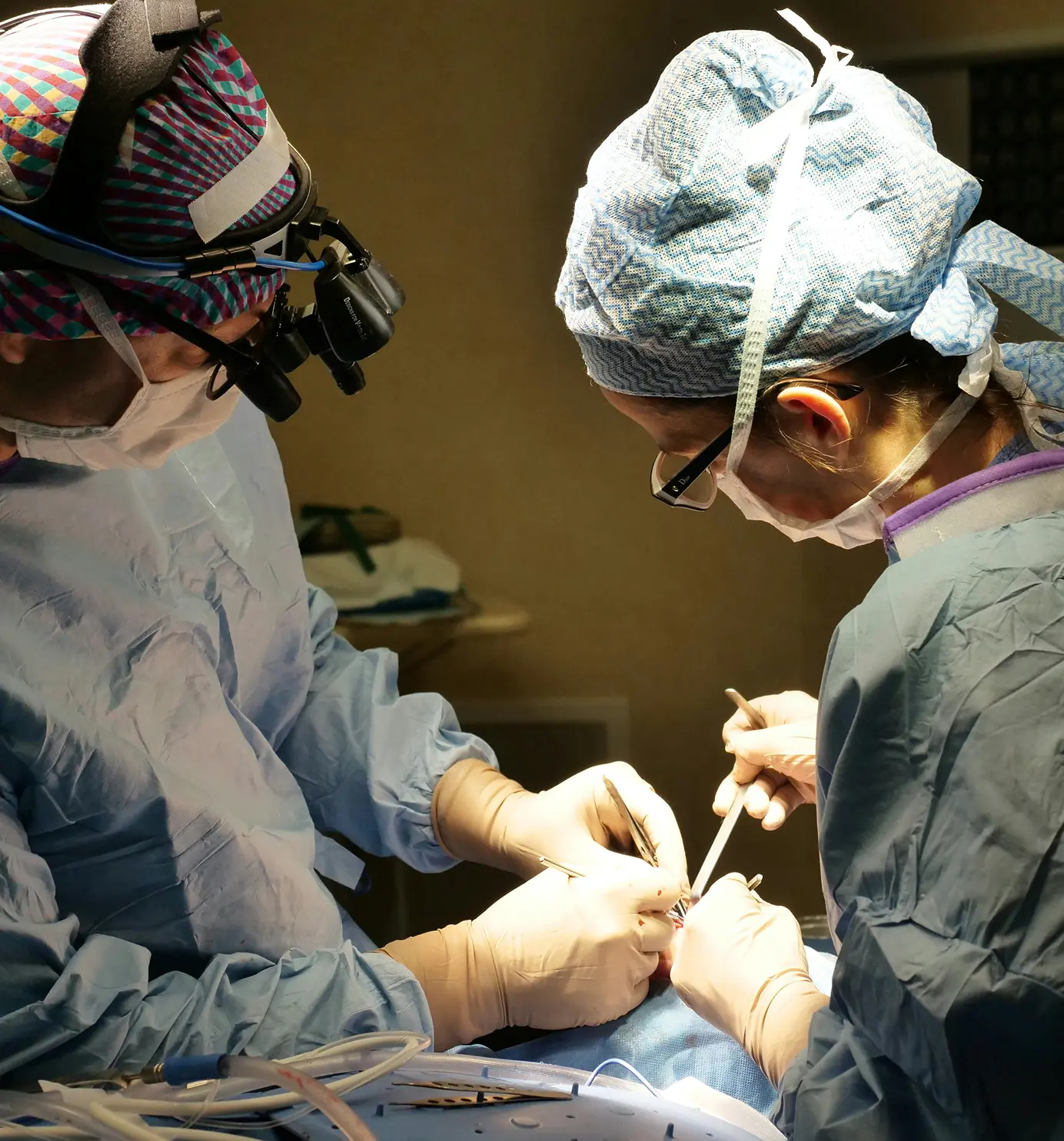
Recognizing this unmet need, Dr. Khashayar Shakiba established the first dedicated Fellowship in Robotic Neuropelvic Surgery.
After more than a decade devoted to studying and surgically treating disorders of the peripheral pelvic nerves, Dr. Shakiba recognized that patients with these complex conditions consistently fall between existing medical specialties. Modern medical education is organized around organs, anatomical regions, or individual surgical disciplines rather than around the pelvic nervous system as a complete functional network.
As a result, there has never been a formal training pathway specifically designed to educate physicians in the comprehensive diagnosis and management of peripheral pelvic nerve disorders.
This fellowship was created to fill that gap.
Our Vision
Our vision is to establish a new generation of surgeons who view the peripheral pelvic nervous system as the center of diagnosis and treatment, rather than simply another structure encountered during pelvic surgery.
This fellowship is designed to provide comprehensive training in pelvic neuroanatomy, pelvic neurophysiology, neuroinflammation, minimally invasive robotic surgery, peripheral nerve surgery, and multidisciplinary management of pelvic nerve disorders.
Although this represents the first fellowship dedicated to robotic neuropelvic surgery, our long-term vision extends far beyond a single training program. We hope to establish an international, multidisciplinary field that brings together experts from gynecology, urogynecology, urology, neurosurgery, orthopedic surgery, plastic surgery, pain medicine, physical therapy, rehabilitation, neuroscience, and other related specialties.
Our ultimate mission is to improve the diagnosis, treatment, and quality of life of women and men suffering from peripheral pelvic nerve disorders while advancing the science and education of neuropelvic surgery for future generations.