Deep Gluteal Syndrome
Deep gluteal syndrome is not a single nerve problem—it is a network disorder. Our approach is designed to see, understand, and treat that entire network.
Deep Gluteal Syndrome &
Pelvic Nerve Surgery
Beyond Sciatica—Understanding the Full Nerve Network
Deep gluteal and posterior pelvic pain is often labeled as “sciatica” or attributed to spine disease. However, in many patients, the true source of pain originates from a complex network of nerves within the deep gluteal region and pelvis.
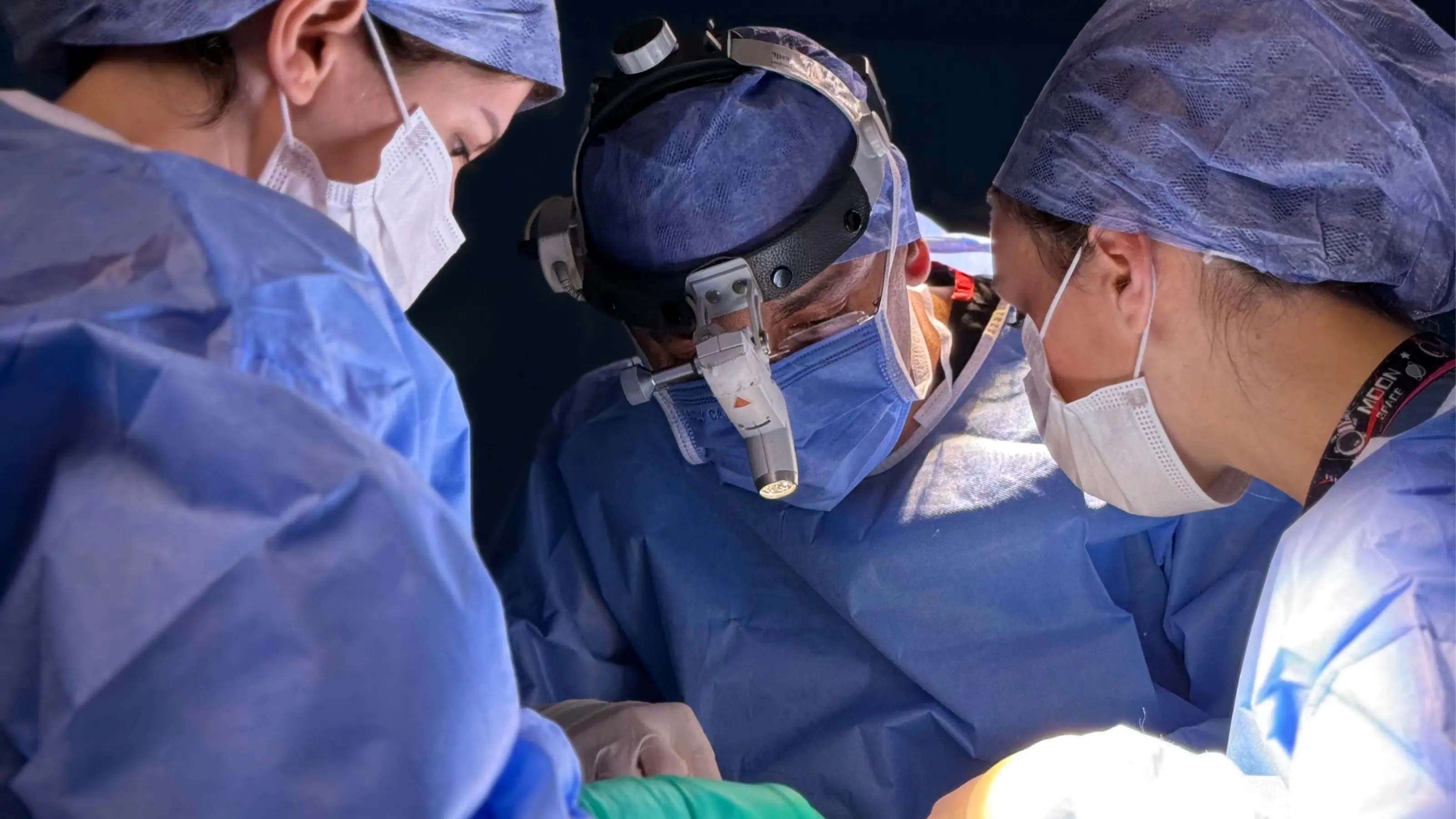
At our center, we specialize in robotic-assisted intrapelvic nerve surgery, allowing comprehensive evaluation and treatment of all nerves contributing to deep gluteal syndrome, not just a single nerve.

What Is Deep Gluteal Syndrome?
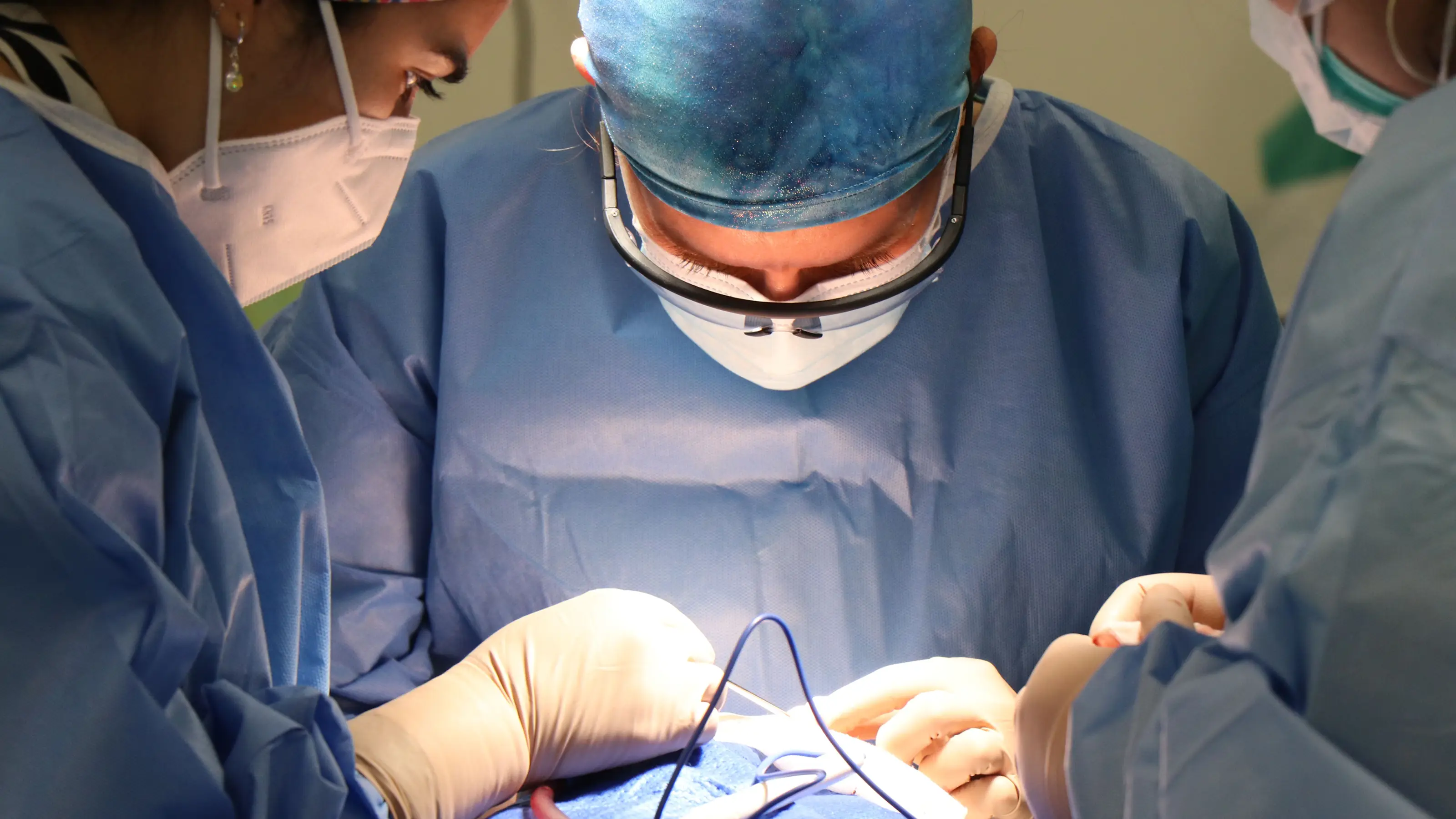
Deep gluteal syndrome refers to compression, inflammation, or dysfunction of nerves within the deep gluteal space and greater sciatic region, often involving multiple nerves simultaneously.
These nerves originate from the lumbosacral plexus and travel through tightly confined anatomical spaces, making them vulnerable to:
- Fibrosis and adhesions
- Inflammatory adipose tissue
- Endometriosis
- Ligamentous compression
- Post-surgical scarring
Nerves Involved in Deep Gluteal Syndrome
Deep gluteal syndrome is rarely caused by a single nerve. Instead, it often involves a network of interconnected nerves, including:
- Sciatic nerve
- Pudendal nerve
- Posterior femoral cutaneous nerve
- Perforating cutaneous nerve
- Inferior gluteal nerve
- Superior gluteal nerve
- Obturator nerve (proximal involvement)
- Contributions from the inferior hypogastric plexus
Because of this overlap, symptoms are often complex and multifactorial.

- Superior gluteal nerveL4-S1
- Inferior gluteal nerveL5-S2
- Sciatic nerveL4-S3
- Posterior femoral cutaneous nerveS1-S3
- Pudendal nerveS1-S4

- Deep pelvic branchesL4-S2
- Inflammatory compressionClinical focus
- Robotic access routePosterior pelvis

- Pudendal pathwayS1-S4
- Perineal sensory networkFunctional mapping
- Targeted decompressionProcedure planning
About Deep Gluteal Syndrome
Patients may experience:
- Deep buttock pain
- Posterior thigh pain or radiating discomfort
- Pain worsened by sitting
- Burning, sharp, or electric sensations
- Pelvic pain or pressure
- Overlapping urinary, bowel, or sexual dysfunction
About Deep Gluteal Syndrome
Common underlying causes include:
- Pelvic neuroinflammation
- Deep infiltrating endometriosis affecting pelvic nerves
- Inflammatory adipose tissue surrounding nerve pathways
- Dense fibrosis within the greater sciatic region
- Ligamentous compression (e.g., sacrospinous or sacrotuberous ligaments)
About Deep Gluteal Syndrome
Traditional approaches often fail because they:
- Address only one nerve or one region
- Do not evaluate the entire pelvic nerve network
- Cannot visualize deep intrapelvic pathology
- Miss the underlying inflammatory or endometriotic cause
About Deep Gluteal Syndrome
We utilize a robotic intrapelvic approach, providing direct access to the entire deep gluteal region and pelvic nerve network.
This technique allows:
- Safe entry into the retroperitoneal space
- Identification of the lumbosacral plexus and its branches
- Direct access to the greater sciatic foramen
- High-definition visualization of all major pelvic nerves
Comprehensive Access to
the Greater Sciatic Region
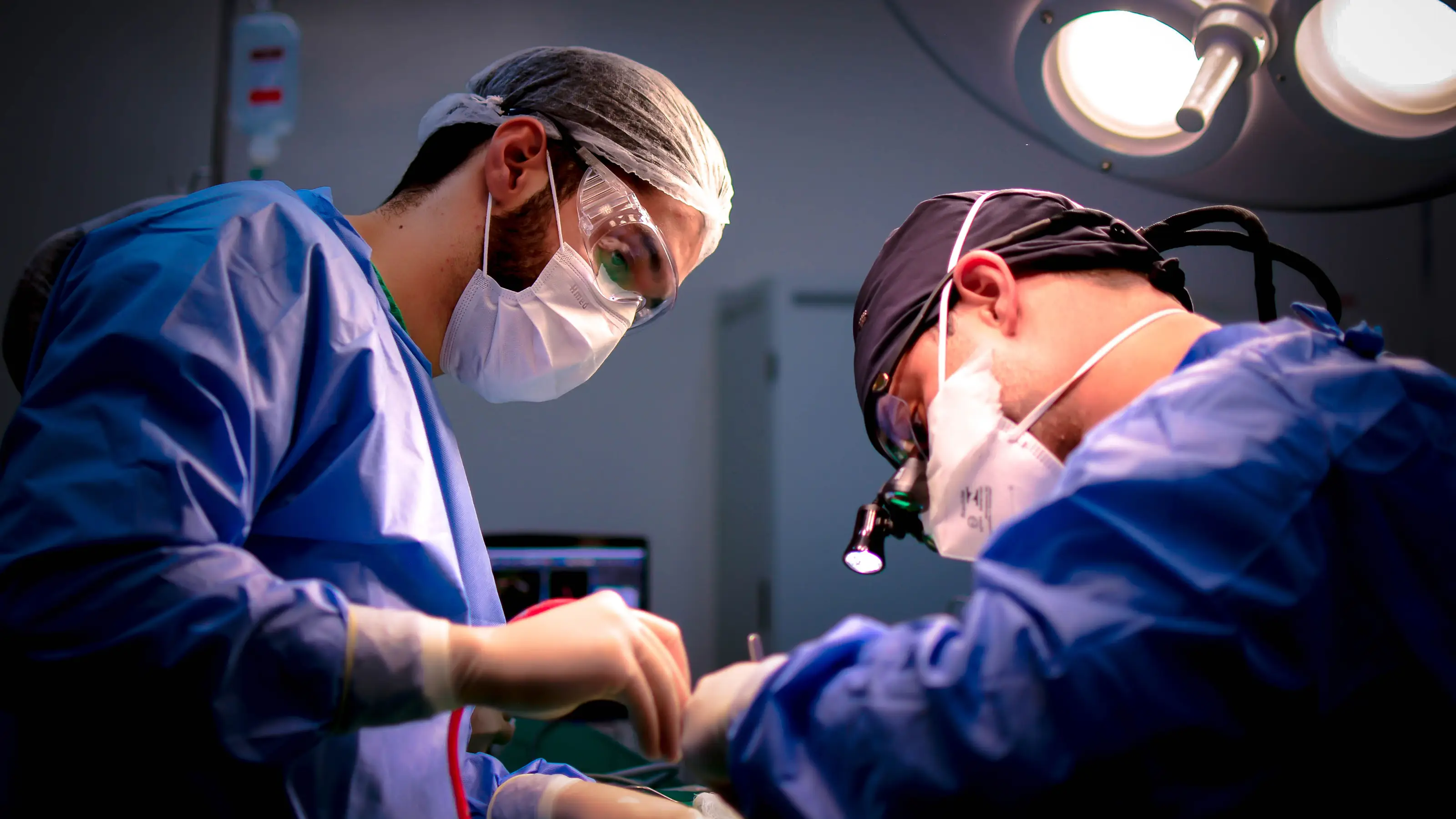
A defining advantage of this approach is the ability to achieve direct and panoramic visualization of the entire greater sciatic region.
This allows the surgeon to:
- Evaluate the full course of the sciatic nerve
- Identify pathology affecting the pudendal nerve and adjacent branches
- Detect involvement of smaller but clinically significant nerves such as:
- Posterior femoral cutaneous nerve
- Perforating cutaneous nerve
In addition, this approach enables evaluation and treatment of:
- Fibrosis and adhesions
- Obturator nerve (proximal pelvic segment)
- Contributions from the inferior hypogastric plexus
Treating the Root Cause—
Not Just the Nerve
A major advantage of robotic intrapelvic surgery is the ability to identify and treat the underlying cause of nerve irritation, including:
- Inflammatory adipose nodules adherent to nerve pathways
- Fibrosis and scar tissue compressing multiple nerves
- Endometriosis extending into the pelvic sidewall and greater sciatic region
This allows for:
- Multi-nerve decompression in a single procedure
- Removal of disease affecting the entire neural network
- A more complete and durable resolution of symptoms
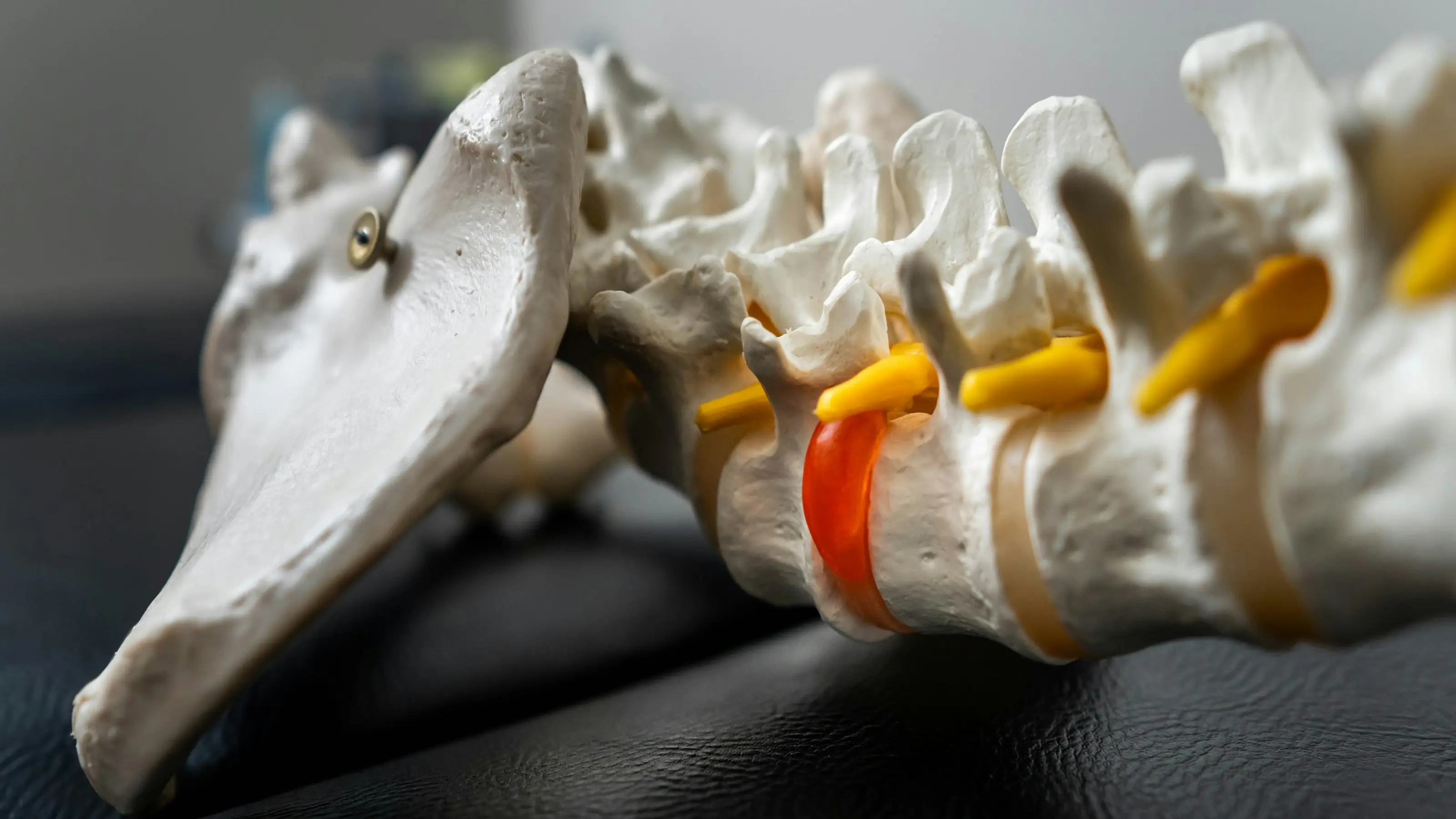
A Network-Based Approach to Pain
Unlike traditional surgery that focuses on a single nerve, our approach recognizes that Pelvic and gluteal pain is often a network problem, not a single-nerve problem This enables:
What to Expect
Minimally invasive robotic procedure
High precision with minimal blood loss
Typically outpatient or short hospital stay
Surgical time varies based on extent of disease
Recovery & Nerve Healing

Recovery is gradual and depends on the severity of nerve involvement:
- Early improvement may begin within weeks
- Continued recovery over several months
- Adjunct therapies may optimize healing
Patients typically experience:
- Less postoperative pain
- Faster recovery compared to traditional approaches
Who is a candidate?
You may be a candidate if you have:
- Chronic buttock or posterior thigh pain
- Sciatic-type symptoms without clear spinal cause
- Pain worsened by sitting
- Mixed pelvic and lower extremity symptoms
- Known or suspected endometriosis
- Failure of conservative or prior surgical treatment