Fellowship Program Philosophy
The goal of this fellowship is not simply to train excellent robotic surgeons. Our mission is to develop physician-scientists who possess a comprehensive understanding of peripheral pelvic nerve disorders—from basic neuroanatomy and neurophysiology to conservative management, advanced robotic surgery, clinical research, and multidisciplinary patient care.
Graduates of this program will be prepared to become future leaders in the emerging field of Robotic Neuropelvic Surgery (Neuropelveology) and to advance the diagnosis, treatment, research, and education of peripheral pelvic nerve disorders worldwide.
Who Should Apply?
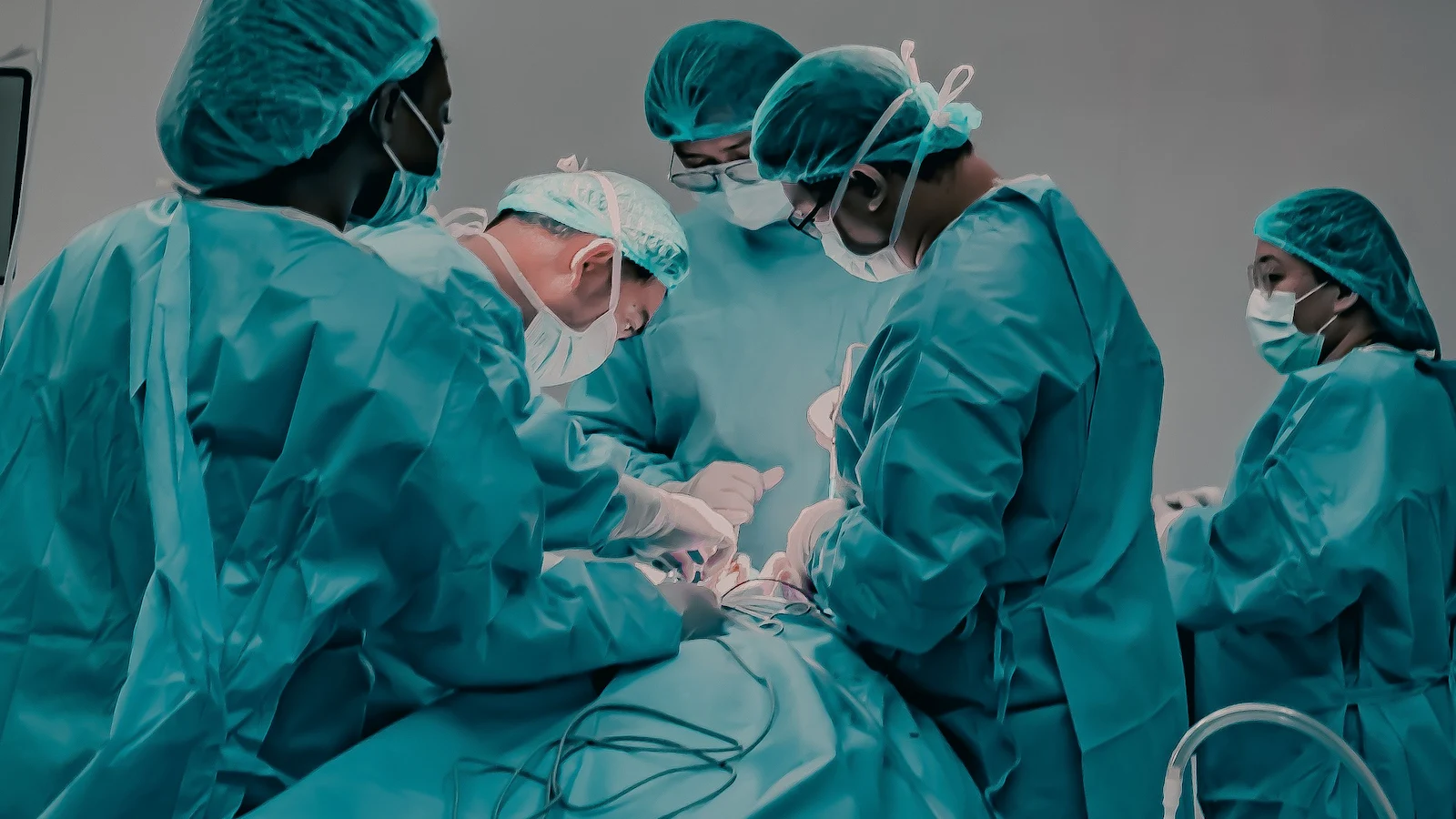
The Robotic Neuropelvic Surgery Fellowship is designed for physicians seeking advanced training in the diagnosis and management of peripheral pelvic nerve disorders, chronic pelvic pain, pelvic floor dysfunction, and complex robotic pelvic surgery.
Applicants should have a strong academic interest in pelvic neuroanatomy, pelvic neurophysiology, neuroinflammation, and minimally invasive surgical management of complex pelvic pathology.
Who Is Eligible to Apply?
Applicants must meet all of the following requirements:
- Completion of an accredited Obstetrics & Gynecology or Urology residency program in the United States
- Eligibility to obtain and maintain an unrestricted medical license in both New Jersey and New York
- Eligibility to obtain hospital privileges at participating institutions
- United States citizen or permanent resident (Green Card holder)
- Strong interest in chronic pelvic pain, pelvic nerve disorders, endometriosis, pelvic floor dysfunction, and robotic pelvic surgery
- Commitment to academic medicine, research, and multidisciplinary patient care.
Because fellows are required to maintain active medical licensure in both New Jersey and New York, applicants must have completed their residency or fellowship training within the United States.
Preferred Qualifications
Preference will be given to applicants who have completed:
- An Advanced Minimally Invasive Gynecologic Surgery (MIS) Fellowship, and/or
- A Robotic Surgery Fellowship
Candidates with strong laparoscopic and robotic surgical skills will be best positioned to benefit from the advanced surgical training provided during this fellowship.
Professional Standing and Character Requirements
Applicants must demonstrate the highest standards of professionalism, integrity, and ethical conduct consistent with the responsibilities of an academic physician and surgeon.
Eligible applicants must:
- Be in good standing with their current residency or fellowship program.
- Have no history of disciplinary action by any residency or fellowship training program, hospital, medical school, licensing board, or professional organization that would adversely affect their eligibility for training.
- Have no history of suspension, probation, or revocation of medical privileges or licensure, unless fully disclosed and determined by the Fellowship Selection Committee not to affect eligibility.
- Have no history of substance abuse, diversion of controlled substances, or drug-related criminal offenses that would impair their ability to safely practice medicine.
- Have no history of violent criminal offenses, sexual misconduct, sexual harassment, sexual abuse, or any criminal behavior involving harm to patients or others.
- Demonstrate professionalism, ethical behavior, honesty, respect, and the ability to work collaboratively within a multidisciplinary healthcare team.
- Be eligible to satisfy all credentialing and hospital privileging requirements at participating institutions.
Disclosure Requirement
Applicants are expected to fully disclose any prior disciplinary actions, criminal convictions, licensing issues, or professional investigations during the application process. Failure to disclose material information may result in disqualification from the selection process or dismissal from the fellowship if discovered after acceptance.
Fellowship Duration
The duration of fellowship is individualized based on the applicant’s previous surgical training.
Two-Year Fellowship
Applicants who have successfully completed an accredited Advanced Minimally Invasive Surgery Fellowship in Gynecology or Urology will enter a two-year fellowship program.
Three-Year Fellowship
Applicants entering directly after completion of residency training in Obstetrics & Gynecology or Urology, without additional fellowship training in minimally invasive surgery, will complete a three-year fellowship program. The additional year is designed to develop advanced laparoscopic and robotic surgical skills before progressing to the most complex neuropelvic procedures.
Fellowship Start Date
- The fellowship typically begins on July 1 each academic year.
- Under special circumstances, a January 1 start date may be available based on program needs and applicant qualifications.
Fellowship Curriculum
The fellowship is organized into four integrated educational divisions, providing comprehensive training in every aspect of peripheral pelvic nerve disorders.
Fellowship Curriculum
Advancing the Field
Clinical research is a fundamental component of the fellowship.
Applicants should have a genuine interest in scientific investigation and clinical trials aimed at advancing the field of neuropelvic surgery.
Although there is no designated research year, fellows will have one protected research day each week dedicated to clinical research, manuscript preparation, database development, clinical trials, and scientific presentations.
Research opportunities include:
- Peripheral pelvic nerve disorders
- Pelvic neuroinflammation
- Endometriosis
- Pelvic floor dysfunction
- Chronic pelvic pain
- Pelvic MRI research
- Robotic surgical innovation
- Clinical outcome studies
- Development of new surgical techniques
- Artificial intelligence and predictive models for pelvic disorders
Fellows will be expected to actively participate in manuscript preparation, national presentations, and publication of peer-reviewed scientific articles.
Fellowship Curriculum
Beyond the Operating Room
A successful pelvic neurosurgeon must understand far more than surgery alone.
The fellowship provides comprehensive clinical training in the evaluation and conservative management of patients with:
- Chronic pelvic pain
- Pelvic floor dysfunction
- Peripheral pelvic neuropathies
- Endometriosis
- Adenomyosis
- Pelvic neuroinflammation
- Pudendal neuralgia
- Lumbosacral plexopathy
- Complex pelvic pain syndromes
Fellows will participate in the complete evaluation of new and follow-up patients and develop individualized treatment plans.
Training includes:
Medical Management
Comprehensive understanding of medications used in pelvic neuroinflammation, including:
- Neuromodulators
- Anti-inflammatory medications
- Antihistamines
- Mast cell stabilization therapy
- Management of Mast Cell Activation Syndrome (MCAS)
- Oral medications
- Transvaginal compounded medications
- Transanal therapies
- Transdermal medications
Diagnostic Evaluation
Training includes:
- Comprehensive pelvic neurological examination
- Lower extremity neurological examination
- Pelvic nerve mapping
- Interpretation of pelvic MRI
- Pelvic neuro-MRI
- Ultrasound and additional imaging modalities
Office-Based Procedures
Fellows will gain experience performing:
- Diagnostic and therapeutic nerve blocks
- Botox injections
- Radiofrequency neuromodulation
- Electrical neuromodulation
- Implantable neuromodulation systems
- Electromagnetic neuromuscular stimulation
Postoperative Care
The fellow will actively participate in postoperative management, learning the expected recovery of patients undergoing complex neuropelvic surgery, management of complications, rehabilitation, and long-term follow-up.
Fellowship Curriculum
Mastering Advanced Techniques
Surgical education represents the core of the fellowship.
Fellows will receive progressive hands-on training in robotic neuropelvic surgery, including both autonomic and somatic pelvic nerves.
Training includes exposure to:
Pelvic Neurolysis
- Inferior hypogastric plexus
- Pudendal nerve
- Obturator nerve
- Sciatic nerve
- Lumbosacral plexus
- Genitofemoral nerve
- Additional peripheral pelvic nerves
Pelvic Neuroanatomy
Extensive exposure to:
- Retroperitoneal anatomy
- Deep gluteal space
- Greater sciatic foramen
- Obturator space
- Paravesical space
- Pararectal space
- Paraurethral space
- Endopelvic fascia
- Pelvic ligaments
- Pelvic neurovascular anatomy
Surgical Techniques
Training includes:
- Robotic nerve decompression
- Neurolysis
- Nerve mobilization
- Fasciotomy of the endopelvic fascia
- Obturator fascia release
- Partial and complete sacrospinous ligament transection
- Sacrotuberous ligament release
- Placement of nerve wraps and allografts
- Intraoperative nerve blocks
- Intraoperative Botox injection when indicated
Special emphasis is placed on meticulous tissue handling, preservation of nerve vascularity, and minimizing the use of electrocautery around delicate neural structures.
Complex Pelvic Pathology
Fellows will gain experience managing:
- Deep infiltrating endometriosis involving pelvic nerves
- Sciatic endometriosis
- Lumbosacral plexus endometriosis
- Pelvic schwannomas
- Peripheral pelvic nerve tumors
- Pelvic fibrosis
- Complex pelvic adhesions
- Pelvic neurovascular compression syndromes
Fellowship Curriculum
Learning Across Specialties
Because neuropelvic surgery is inherently multidisciplinary, fellows will rotate through additional specialties to broaden their understanding of neurological disorders affecting the pelvis.
These rotations include:
- Neurology
- Neurosurgery
Additional multidisciplinary experiences may include neuroradiology, pain medicine, rehabilitation medicine, and pelvic floor physical therapy.
The objective is to provide fellows with a comprehensive understanding of peripheral pelvic nerve disorders from diagnosis through conservative treatment, surgery, and long-term rehabilitation.
More Details about the Fellowship Program
Career Opportunities After Fellowship

One of the greatest advantages of completing this fellowship is the exceptional career opportunity available upon graduation.
Because neuropelvic surgery is an emerging and highly underserved subspecialty, there is an anticipated national shortage of surgeons with formal training in this field. As awareness of peripheral pelvic nerve disorders continues to grow, demand for physicians with expertise in robotic neuropelvic surgery is expected to increase significantly.
Graduates of this fellowship will be uniquely positioned to become leaders in clinical practice, academic medicine, research, and surgical education.
Outstanding fellows may be considered for faculty appointment upon successful completion of the fellowship, based on program needs, academic performance, and mutual interest.
Faculty positions are anticipated to begin with a minimum starting salary of $400,000 per year, together with a comprehensive benefits package and opportunities for continued academic advancement, clinical leadership, and research development.
Our long-term vision is not only to train future neuropelvic surgeons, but also to develop future educators, researchers, and leaders who will help expand this emerging subspecialty throughout the United States and internationally.