Robotic Pelvic Nerve Surgery

Robotic vs. Traditional Pudendal Surgery Limitations of Traditional Approaches Advantages of the Robotic Intrapelvic Approach Who is a candidate? Addressing the Root Cause of Nerve Pain Challenges & Conditions

Robotic vs. Traditional Pudendal Surgery

Traditional pudendal nerve decompression is commonly performed through transgluteal or transperineal approaches. While these techniques can provide access to portions of the pudendal nerve, they are inherently limited by their external access to the pelvis, restricting full visualization of the underlying pathology.

Limitations of Traditional Approaches

In transgluteal or transperineal surgery:

  • The procedure is performed from outside the pelvic cavity, limiting visualization of the entire lumbosacral plexus.
  • Surgeons often rely on anatomic landmarks rather than direct visualization of the pathology.
  • Access to the nerve frequently requires wide dissection through gluteal or perineal tissues.
  • Important supporting structures, such as the sacrotuberous ligament, may need to be transected to reach the pudendal nerve.
  • These ligaments often require reconstruction, introducing potential risk of pelvic instability.

Additionally, this approach may result in:

  • Significant disruption of gluteal musculature
  • Increased soft tissue trauma
  • Higher postoperative pain levels
  • Prolonged recovery time

Most importantly, these approaches may not adequately address the root cause of the patient’s symptoms, as visualization of deeper intrapelvic pathology is limited.

Advantages of the Robotic Intrapelvic Approach

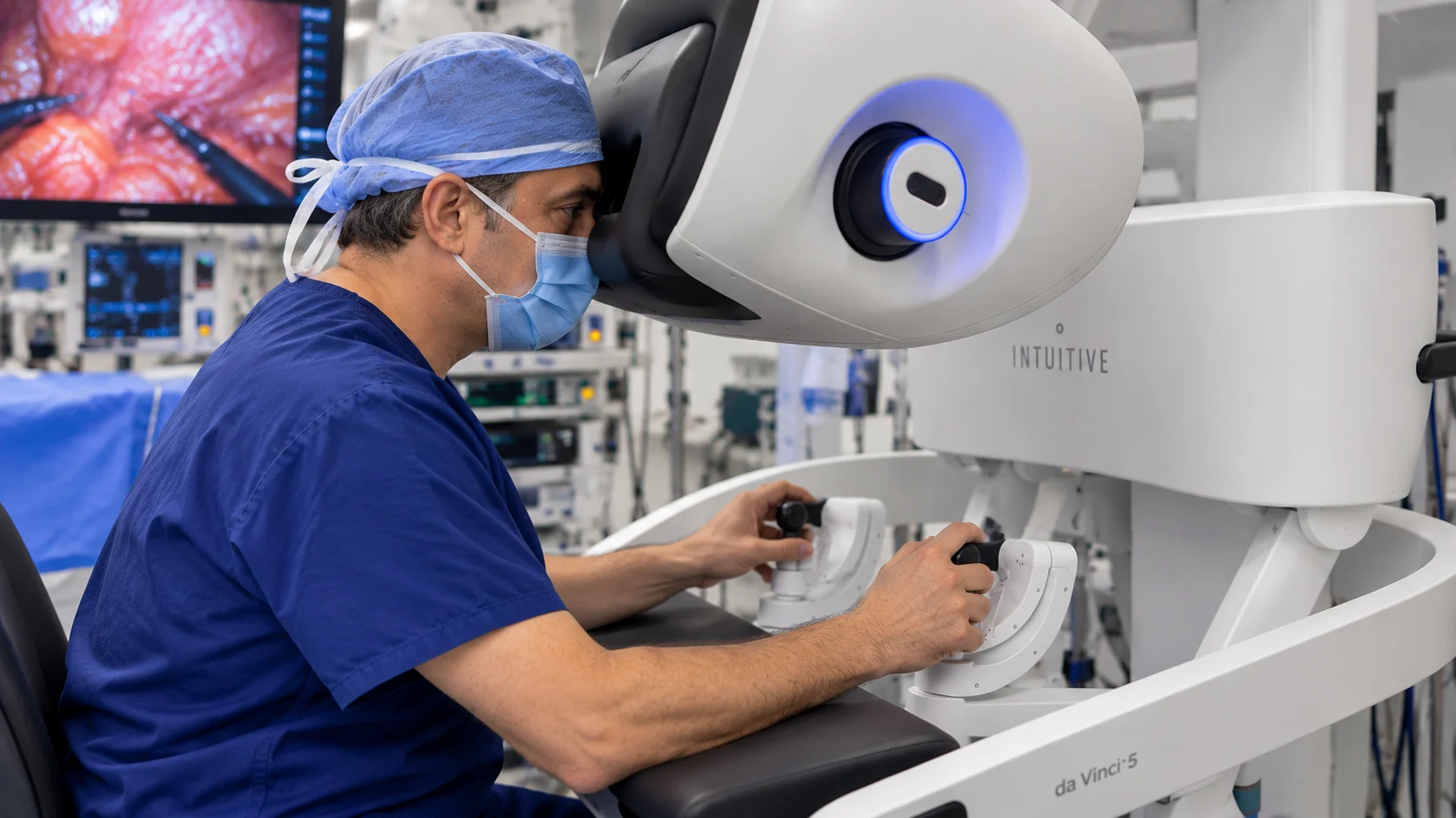
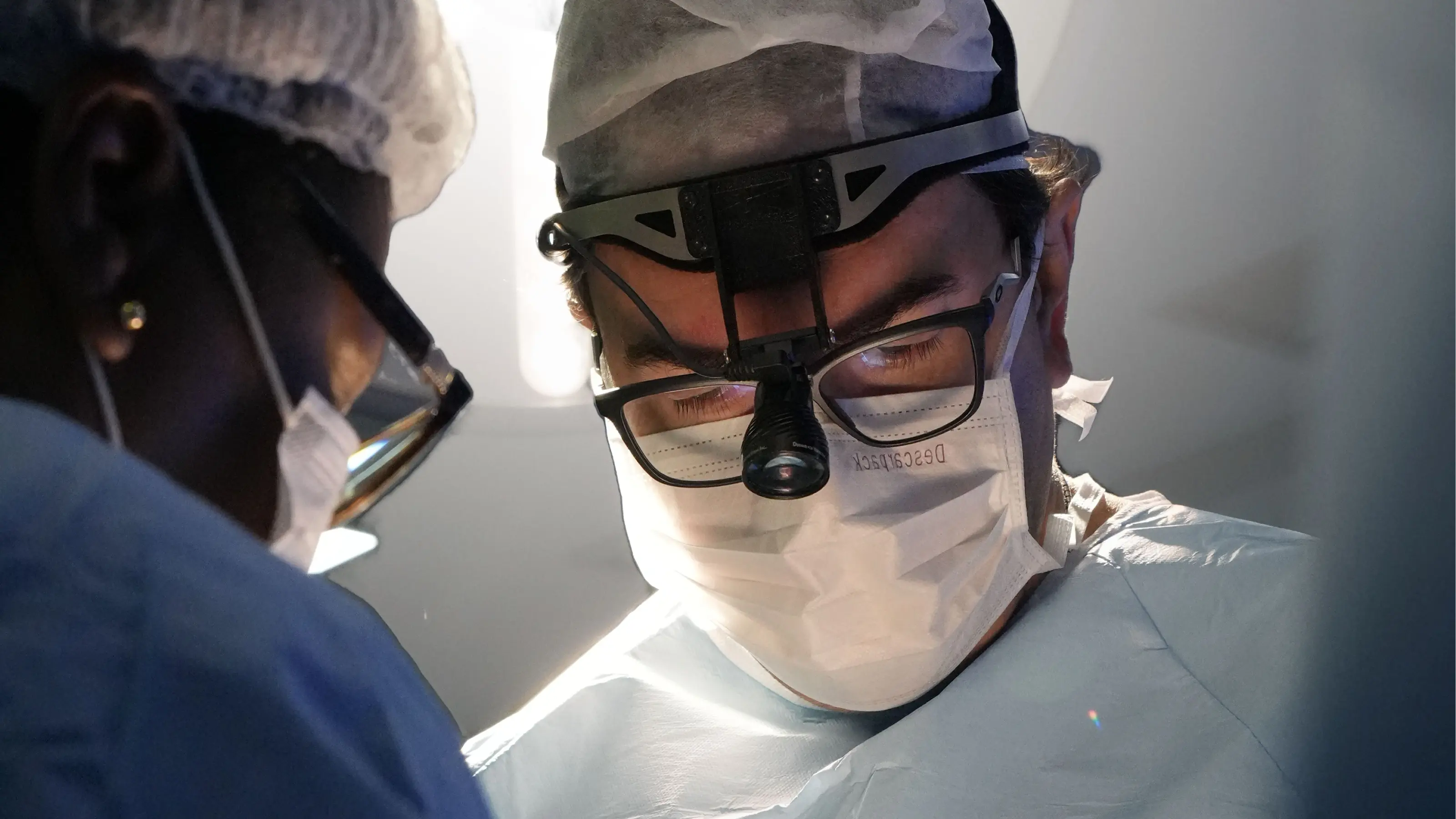
The robotic-assisted intraperitoneal approach allows direct access from within the pelvic cavity, fundamentally changing both visualization and surgical capability. This approach provides:

  • Superior visualization of the entire lumbosacral plexus, including the pudendal nerve and adjacent neural structures
  • Targeted, precision-based dissection, avoiding unnecessary disruption of surrounding tissues
  • The ability to preserve key ligaments and musculoskeletal structures whenever possible
  • Significantly less soft tissue trauma, leading to reduced postoperative pain and faster recovery
Who is a candidate?

You may be a candidate if you have:

  • Chronic pelvic pain with nerve-like symptoms
  • Pain worsened by sitting
  • Failure of conservative treatments
  • Suspected or confirmed pelvic endometriosis
  • Prior pelvic surgery with persistent symptoms

Addressing the Root Cause of Nerve Pain

A critical advantage of the intrapelvic robotic approach is the ability to identify and treat the underlying pathology, not just decompress the nerve.
Common causes of pudendal neuralgia and lumbosacral plexopathy include:

  • Inflammatory adipose tissue adherent to nerve pathways
  • Fibrosis and scar tissue
  • Deep infiltrating endometriosis, often extending beyond the greater sciatic region into the pelvic cavity

These pathologies are frequently inaccessible or invisible through traditional external approaches.

With robotic intrapelvic access, the surgeon can:

  • Mobilize and remove inflammatory nodules affecting nerve function
  • Excise endometriotic lesions throughout the pelvic cavity
  • Perform comprehensive neurolysis across multiple nerve pathways when indicated
Challenges & Conditions

Unlike traditional techniques that focus on a single segment of the nerve, the robotic approach enables a global assessment of the pelvic neuroanatomy, allowing treatment of both localized and diffuse disease. As a result, patients benefit from:

  • More complete resolution of the underlying pathology.
  • Safer nerve decompression under direct visualization.
  • Minimally invasive access with reduced tissue damage.
  • Significantly faster recovery and less postoperative pain.


Types of Nerve Surgery

Nerve Surgery

Deep Gluteal Syndrome

Deep gluteal syndrome is not a single nerve problem—it is a network disorder. Our approach is designed to see, understand, and treat that entire network.

Pelvic Nerve Tumor Surgery

Precision tumor removal with preservation of what matters most—your nerve function.
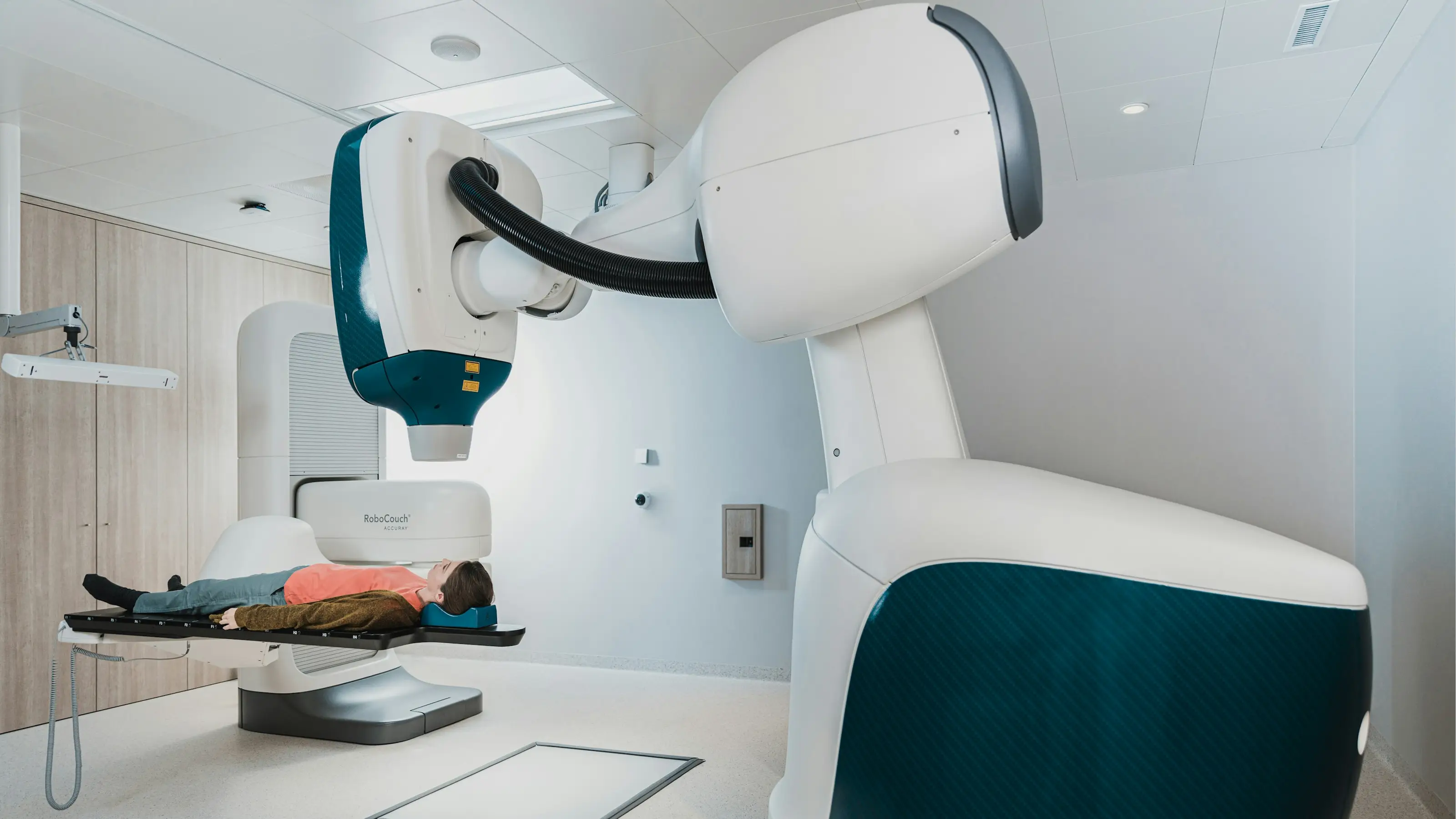
Robotic Pudendal Nerve Surgery
Robotic Obturator Nerve Surgery
Robotic Sciatic Nerve Surgery
Robotic Inferior Hypogastric Plexus Surgery
Robotic Genitofemoral Nerve Surgery
Robotic Posterior Femoral Cutaneous Nerve Surgery
Robotic Perforating Cutaneous Nerve Surgery
FAQ

Everything You Need

to Know

Can I drive after surgery?

For patients undergoing minimally invasive, robotic-assisted procedures, it is recommended to wait 1 week before driving on your own.

Do I have to come back to the office after surgery?

Yes. Patients are required to return to the office 2 weeks after surgery for their first post-op visit and then return for their 2nd post op visit about 4 weeks later, unless otherwise directed by Dr. Shakiba.

Do I need antibiotics after surgery?

Patients will receive antibiotics during surgery and most patient do not require any antibiotics after procedure unless there is a specific condition, in you will be notified by Dr. Shakiba

Do I need to prep my bowel prior to surgery?

Usually bowel prep prior to any bowel surgery or endometriosis surgery is unnecessary. the patient will be notified for any exceptions.

How long will I be out of work for surgery?

Depending on the complexity of the surgery, patients can expect to be out of work somewhere between 2-4 weeks. In most cases, patients undergoing a laparoscopic procedure can expect to be out of work 2 weeks while others undergoing a robotic-assisted procedure are more likely to require 4 weeks out of work.

How will my bowel function be after surgery?

It is common for patients to encounter constipation after surgery, so we advise that the patient have a bowel movement one day prior to surgery and begin taking stool softeners, such as Colace, on day 1 after surgery. Patients are advised to continue taking stool softeners within 2-4 weeks unless bowel movements are loose enough that they are no longer needed.

For a rectocele repair or other pelvic reconstruction surgery, constipation is to be expected on day 3 after procedure and is sometimes painful. If patient continues to have difficulty with bowel movements after day 3, patient advised to take Milk of Magnesia.

I cannot tolerate narcotic pain medications. Will this be an issue during my recovery?

Although we routinely send Percocet during preoperative visits for pain management after the surgery, if you cannot tolerate narcotics this will not be an issue. Fortunately due to the minimal invasive approach Dr. Shakiba takes in most of his surgeries, the severity of post-operative pain as well as the amount of blood lost during surgery is minimalized.

Most of his patients find relief through OTC NSAIDS (i.e. Ibuprofen, Motrin) for the first few days after surgery and then no longer require any type of pain medication.

If I have a sling surgery, do I need a urinary catheter after the procedure at home?

Typically, after pelvic reconstructive surgery and urinary incontinence surgery with or without the use of mesh, a test will be done following the procedure to see if your bladder is ready to resume normal function. It is common that the bladder may not be ready to function and will require an additional day of rest. In this case, you will be sent home with a catheter for 1-2 days after procedure. This is temporary and we will instruct you how to remove the catheter at home by yourself. If you are still unable to void 4-5 hours after removal of the catheter, contact our office.

If I schedule an appointment, how long can I expect to be scheduled for surgery?

Our surgical coordinator does her absolute best to schedule surgeries on dates that are convenient to the patient. However, it is ultimately dependent upon the volume of surgeries Dr. Shakiba is facing at that time and the availability of the OR.

It is highly recommended that if you are expecting time off from work in the upcoming months, or have a specific time frame of which would be more convenient for you to undergo surgery to allow yourself to have necessary recovery time, to schedule your initial visit with Dr. Shakiba 2-3 months prior to the desired time frame.

This is because depending on the procedure, Dr. Shakiba may require you to undergo additional testing prior to surgery and you will also need medical clearance from your primary care physician. It does not always take 2-3 months to schedule a surgery, but there are times of the year where patients are more inclined to want to schedule surgery (i.e. the end of the year, summer, holiday season) so by getting in early, you would be optimizing your chances to get your desired date. Regarding surgery since we use the belly button for specimen removal, we ask the patient to please make sure you adequately wash belly button and make sure there is no debris.

Should I be concerned if I notice some spotting or bleeding after surgery?

Noticing small amount of blood after surgery is normal and should diminish over time. The bleeding can be managed with the use of pads or panty-liners avoiding the use of tampons unless otherwise noted from Dr. Shakiba. However, if you are experiencing a large amount of blood or notice passage of clots with the bleeding, you should call the office immediately for reevaluation.

What is the benefit of having my procedure performed robotically?

There are many benefits to robotic-assisted procedures. Some of the few include:

  • Shorter recovery time
  • Less blood loss
  • Less scarring
  • Short hospital stays
  • Less post-operative pain
Will I have a big scar after surgery?

Dr. Shakiba prefers to utilize a minimally invasive approach when performing surgery on his patients, which means no big scars going up and down or across your abdomen! For patients who are eligible to undergo the minimally invasive, robotic-assisted procedures, you can expect to have 3-5 small incisions on the abdomen, one of which is often placed inside the umbilicus making it unnoticeable. Each remaining incision measures no more than an inch and are virtually unnoticeable by 10 weeks post-operative time.