Neuropelvic Surgery Observership Program
Women’s Pelvic Surgery (WPS) | Advanced Pelvic Nerve Surgery & Robotic Neurolysis
Overview
Peripheral pelvic nerve disorders are a major—but often overlooked—cause of chronic pelvic pain, pelvic floor dysfunction, buttock pain, and radiating pain to the genital region and lower extremities, especially in women. While traditional spine-related causes such as disc herniation and spinal stenosis are commonly evaluated and treated, many patients continue to suffer because the underlying problem may exist beyond the spine, within the deep pelvis and lumbosacral nerve pathways.
Pelvic nerves—including autonomic pelvic nerves and somatic nerves of the lumbosacral plexus—are highly vulnerable to compression, inflammation, fibrosis, and entrapment. Unfortunately, current medical training and care pathways often do not adequately address these complex conditions, leaving many patients to struggle for years before finding appropriate care.
This is why the emerging field of Neuropelvic Surgery (Neuropelveology / Pelvic Neurosurgery) is becoming increasingly important.
Why Neuropelvic Surgery Matters
Patients with complex pelvic nerve pathology often undergo repeated evaluations and treatments across multiple specialties. Many are ultimately referred to pain management, where treatment may be limited to:
- Nerve blocks and steroid injections
- Medications, including narcotics and neuromodulators
- Neuromodulation or stimulator-based interventions
While these therapies may provide temporary relief, long-term outcomes often remain limited when the root cause of neuroinflammation is not identified and addressed.
A true solution requires specialized knowledge of:
- Pelvic nerve anatomy and neurovascular pathways
- Intrapelvic and intra-abdominal inflammatory diseases, such as:
- Endometriosis
- Postsurgical scarring and adhesions
- Pelvic masses or tumors
- Autoimmune and inflammatory conditions
- Advanced techniques to safely operate around pelvic nerves
The Surgical Gap in Current Practice
Many pelvic nerve disorders originate within the pelvis or abdominal cavity, requiring a transabdominal approach to identify and treat the pathology. This creates a major limitation in traditional surgical training:
Specialists Familiar with Nerves
Neurosurgeons and orthopedic surgeons may be highly trained in nerve anatomy, but often lack:
- Advanced laparoscopic or robotic pelvic surgical training
- Expertise in pelvic inflammatory conditions such as endometriosis
- The ability to access deep pelvic nerves via intraperitoneal or retroperitoneal routes
Specialists Familiar with Pelvic Organs
Gynecologists, urologists, and urogynecologists may be experts in pelvic organs, but often lack:
- Dedicated training in peripheral pelvic nerve pathology
- Advanced neuropelvic surgical technique and neurolysis
- Other approaches, such as transgluteal or transperineal surgery, may release ligaments and decompress certain segments of the nerve, but can fall short because they often do not address the primary intrapelvic cause of neuroinflammation.
About the Program Director
Dr. Shakiba is a board-certified Pelvic Reconstructive Surgeon and a highly experienced minimally invasive robotic pelvic surgeon who has dedicated the past decade to advancing care in this underserved field.
With deep expertise in pelvic anatomy and extensive surgical experience, he has performed complex procedures around a wide variety of pelvic nerves and has devoted significant research and clinical focus toward understanding pelvic nerve pathology and neuroinflammation.
Program Objectives
The Neuropelvic Surgery Observership Program at WPS is designed to train physicians and surgeons to:
- Understand the fundamentals of peripheral pelvic nerve anatomy
- Recognize symptoms and patterns of neuropathic pelvic pain syndromes
- Learn how intrapelvic and intra-abdominal conditions contribute to neuroinflammation
- Observe advanced surgical techniques used to evaluate and treat:
- Pelvic nerve entrapment and compression
- Endometriosis-associated neuroinflammation
- Adhesive disease and postsurgical fibrosis impacting nerve pathways
- Gain exposure to robotic and laparoscopic pelvic neurolysis techniques
- Appreciate the multidisciplinary framework needed for complex pelvic pain care
Who Should Apply
This observership is intended for motivated clinicians who want deeper training and exposure in neuropelvic surgery, including:
- Gynecologists
- Urogynecologists
- Urologists
- Neurosurgeons
- Orthopedic surgeons
- Pain specialists
- Fellows and senior trainees in pelvic surgery or pelvic pain management
What You Will Observe
Observers may have the opportunity to learn through:
- Clinical evaluation of neuropelvic pain patterns
- Surgical anatomy sessions and case discussions
- Operating room observation of:
- Robotic pelvic surgery
- Retroperitoneal nerve identification and mobilization
- Pelvic neurolysis techniques
- Endometriosis excision and inflammatory disease management
- Postoperative follow-up and multidisciplinary coordination strategies
A Needed Mission
Neuropelveology and pelvic neurosurgery remain in an early stage of development. Advancing this discipline requires dedicated pioneers, structured training, and a multidisciplinary approach to improve care for millions of women suffering from chronic pelvic pain and pelvic nerve disorders.
Our mission is to help develop the next generation of surgeons and clinicians with the knowledge and skills to treat peripheral pelvic nerve pathology safely, precisely, and effectively.
Who Should Apply for the Observership Program
The Women’s Pelvic Surgery (WPS) Observership Program is designed for physicians who wish to develop a comprehensive understanding of pelvic nerve anatomy, pelvic neuroinflammation, and modern approaches to the diagnosis and management of neuropathic pelvic disorders.
The program is appropriate for physicians in:
- Gynecology
- Urogynecology
- Urology
- Neurosurgery
- Orthopedic Surgery
- General Surgery
- Other physicians with a strong clinical interest in chronic pelvic pain and pelvic nerve disorders
Although participants from a variety of medical backgrounds are welcome, the observership is particularly valuable for two groups of physicians.
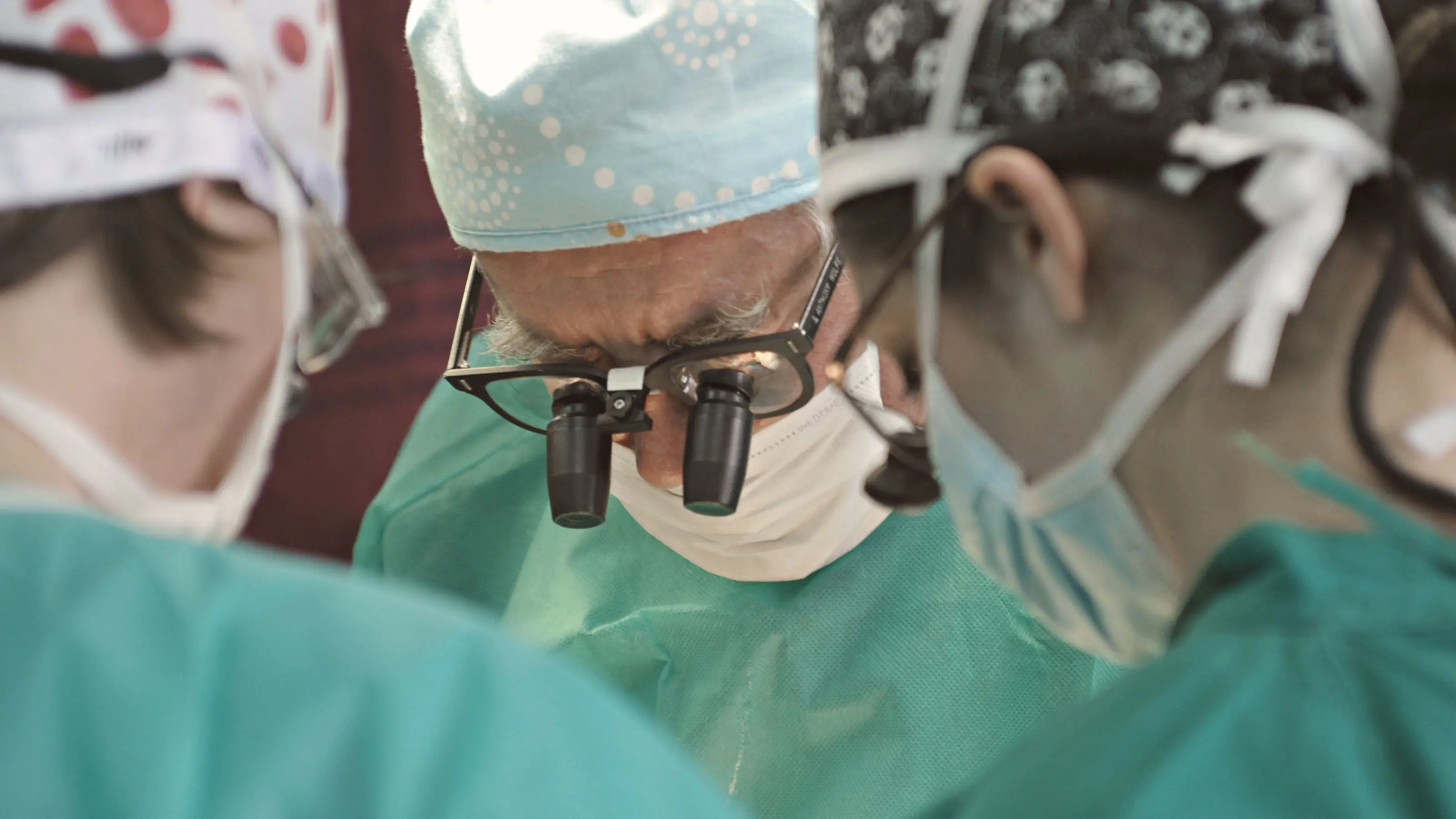
Group One: Physicians Managing Pelvic Neuroinflammatory Disorders
This program is ideal for physicians who routinely care for women with chronic pelvic pain, pelvic floor dysfunction, urinary urgency and frequency, pudendal neuralgia, lumbosacral plexopathy, endometriosis, and other pelvic neuroinflammatory conditions but who do not necessarily intend to perform pelvic nerve surgery.
Through live surgical observation combined with comprehensive lectures by Dr. Shakiba, participants gain an in-depth understanding of pelvic neuroanatomy, the mechanisms of pelvic neuroinflammation, and the cascade of events leading to chronic pelvic pain, pelvic floor dysfunction, and neuropathic symptoms.
Observing surgery while simultaneously learning the underlying anatomy and pathophysiology provides a unique perspective that cannot be obtained through textbooks or lectures alone. Participants develop a deeper appreciation of the relationship between pelvic pathology—including endometriosis and chronic peritoneal inflammation—and injury or irritation of both autonomic and somatic pelvic nerves.
In addition to surgical observation, the course introduces comprehensive non-surgical management strategies, including medical therapies, neuromodulation, radiofrequency treatment, Botox, nerve blocks, rehabilitation, and multidisciplinary approaches to managing pelvic neuroinflammatory disorders. These concepts are immediately applicable to physicians caring for patients with chronic pelvic pain and pelvic floor dysfunction.
Group Two: Advanced Pelvic Surgeons Seeking Neuropelvic Surgical Training
The observership is also designed for experienced pelvic surgeons who wish to expand their surgical expertise into the field of neuropelvic surgery.
This includes advanced minimally invasive gynecologic surgeons, urogynecologists, and urologists with extensive experience in complex pelvic surgery and a solid understanding of retroperitoneal anatomy.
For these surgeons, the program provides advanced exposure to the surgical anatomy and operative techniques required to safely approach deep pelvic nerve structures, including:
- Pudendal nerve
- Sciatic nerve
- Obturator nerve
- Posterior femoral cutaneous nerve
- Inferior cluneal nerve
- Genitofemoral nerve
- Lumbosacral plexus
- Inferior hypogastric plexus and its autonomic branches
Participants observe advanced robotic procedures involving the deep gluteal space, retroperitoneum, and pelvic sidewall while learning surgical strategies for nerve decompression, neurolysis, and management of complex pelvic pathology, including endometriosis involving pelvic nerves.
The observership emphasizes meticulous surgical anatomy, atraumatic tissue handling, preservation of nerve function, and evidence-based decision-making in the management of complex neuropelvic disorders.
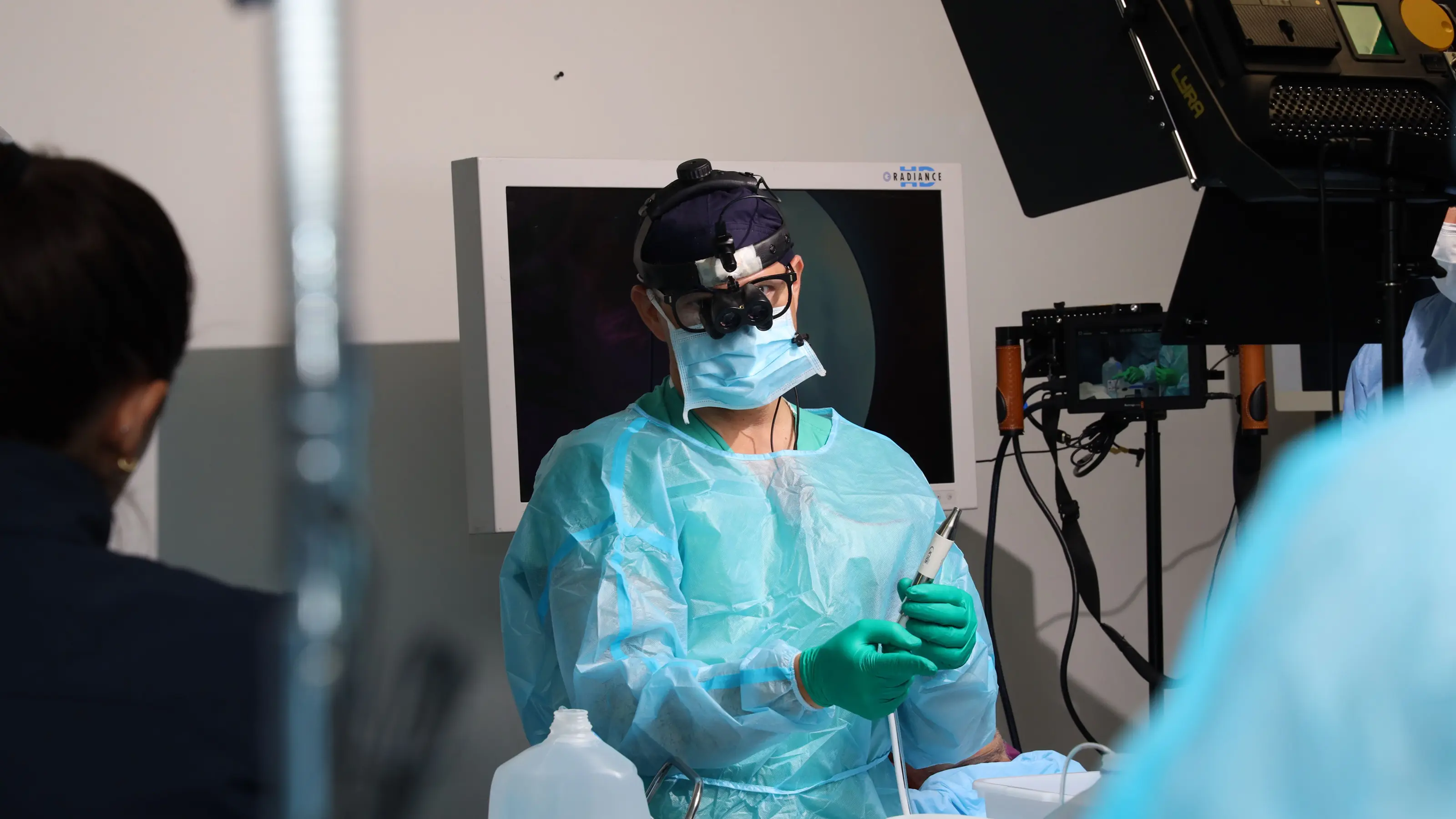
What Participants Will Gain
Upon completion of the observership, participants will have a significantly enhanced understanding of:
- Pelvic neuroanatomy and peripheral pelvic nerve pathways
- The pathophysiology of pelvic neuroinflammation and pelvic floor dysfunction
- The relationship between endometriosis and pelvic nerve disease
- Surgical anatomy of both autonomic and somatic pelvic nerves
- Modern robotic approaches to pelvic nerve surgery
- Comprehensive conservative and surgical management strategies for chronic pelvic pain and pelvic neuropathic disorders
Whether participants intend to incorporate these principles into their clinical practice or pursue further surgical training, the observership provides a unique opportunity to learn directly from one of the highest-volume robotic neuropelvic surgery practices in the world.
This observership is appropriate for surgeons and physicians in:
- Gynecology
- Urogynecology
- Urology
- Neurosurgery
- Orthopedic Surgery
- General Surgery
Candidates should have a strong interest in developing advanced knowledge in the diagnosis and surgical management of peripheral pelvic nerve disorders, including:
- Autonomic (visceral) pelvic nerves
- Somatic pelvic nerves
- Nerves of the lumbosacral plexus and pelvic nerve pathways
This program is ideal for clinicians seeking structured exposure to modern neuropelvic surgical concepts, surgical anatomy, and real-time operative learning in a high-volume specialty practice.